Presepe Stabile Stabiano
Massimiliano Greco*
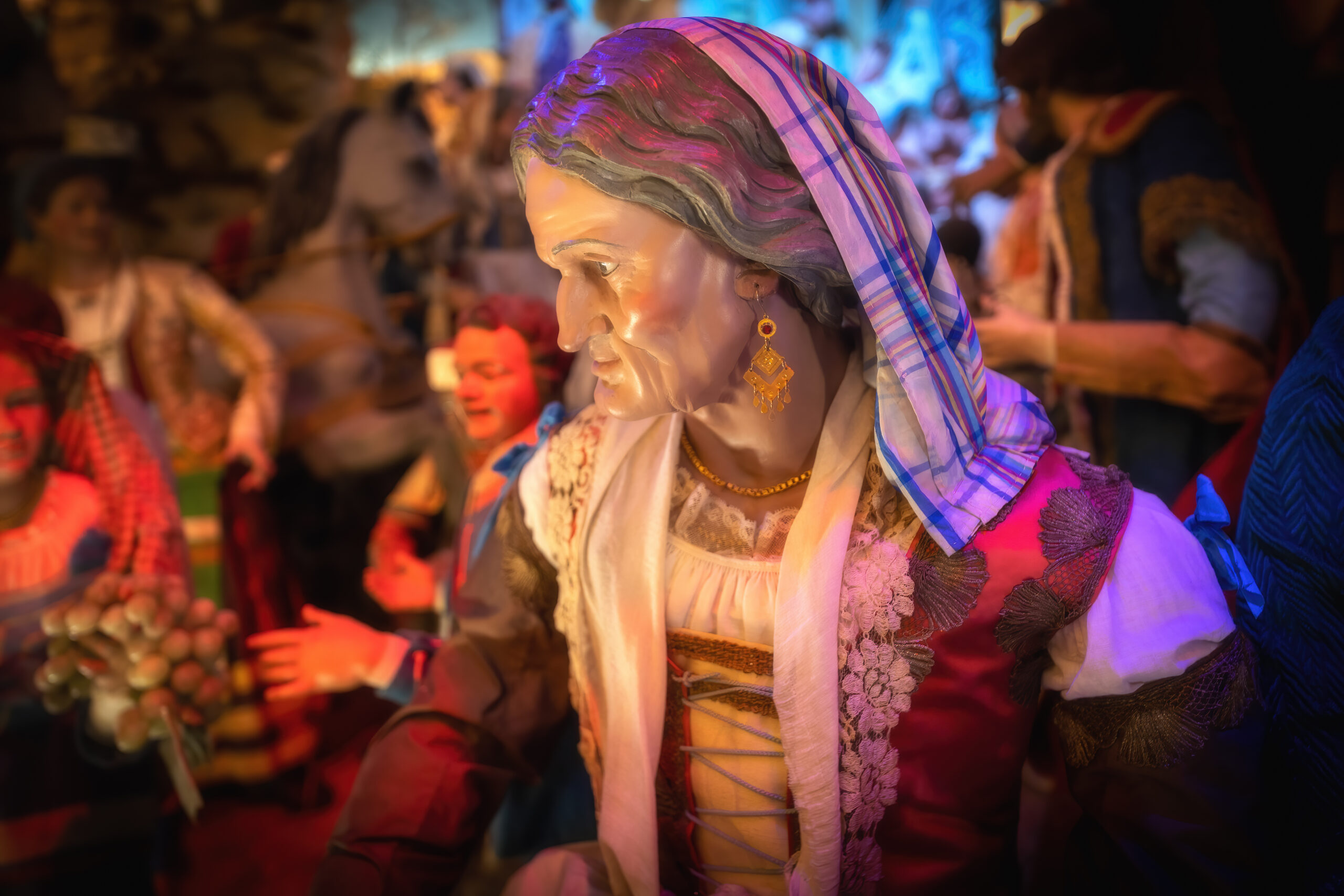
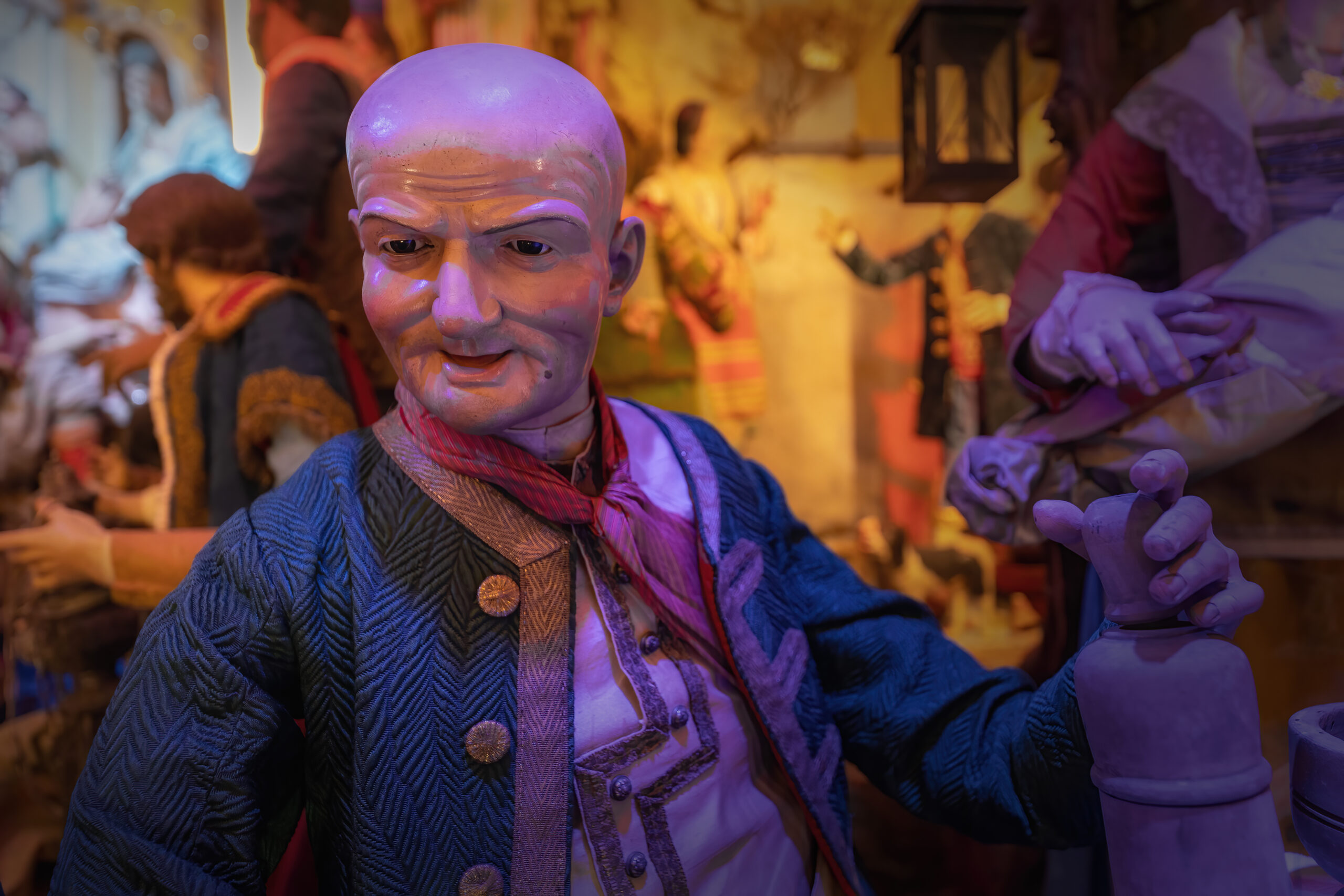
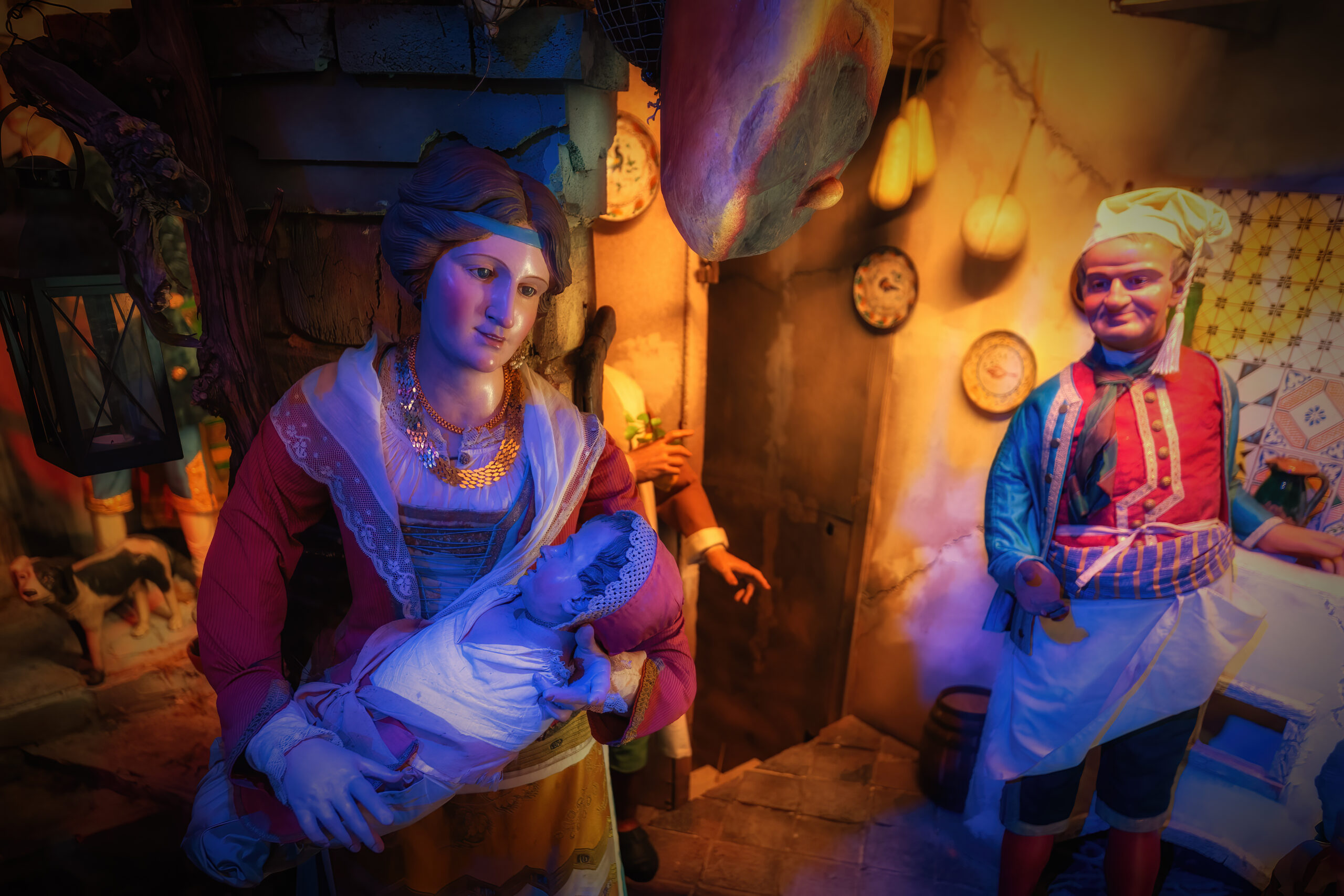
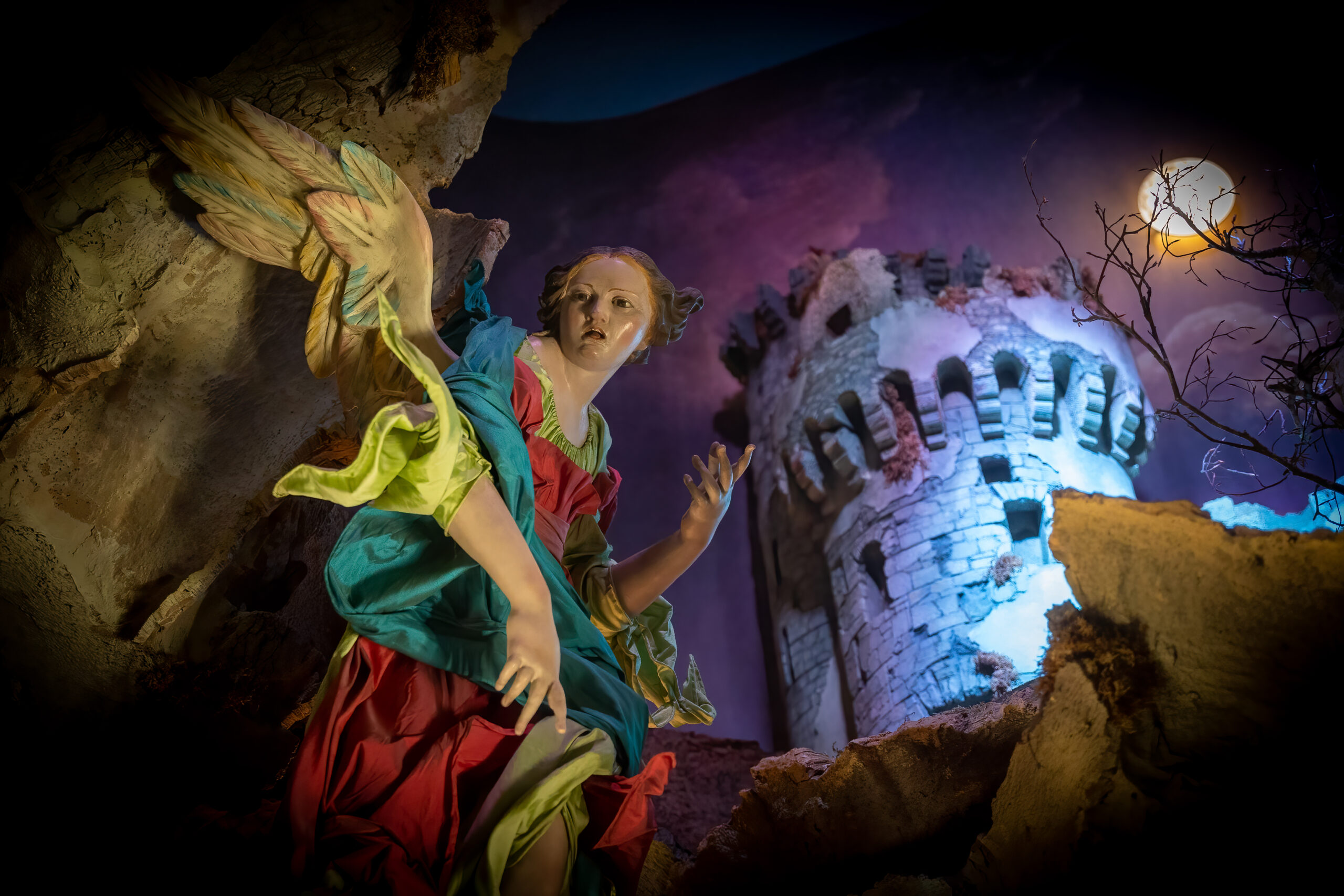
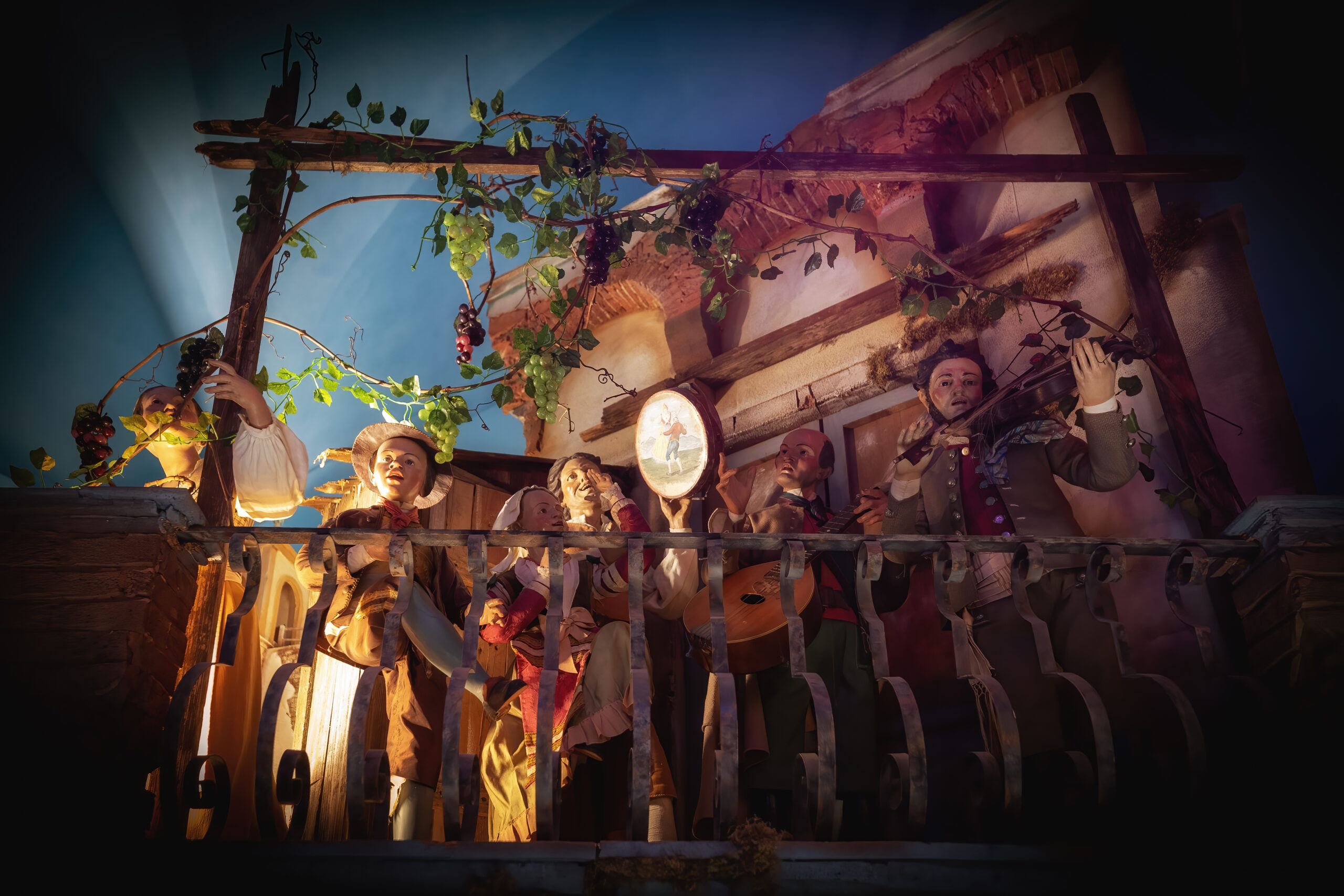
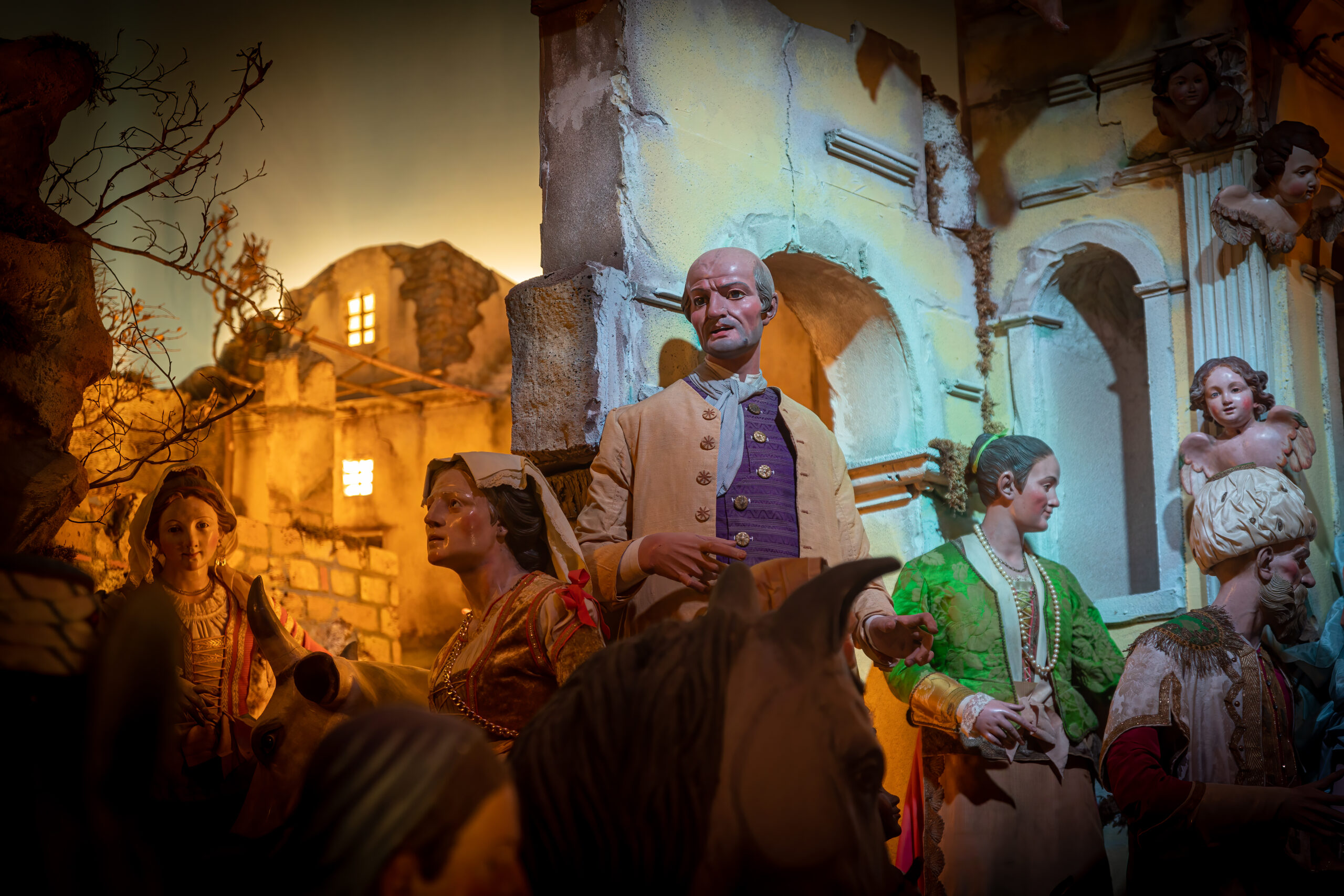
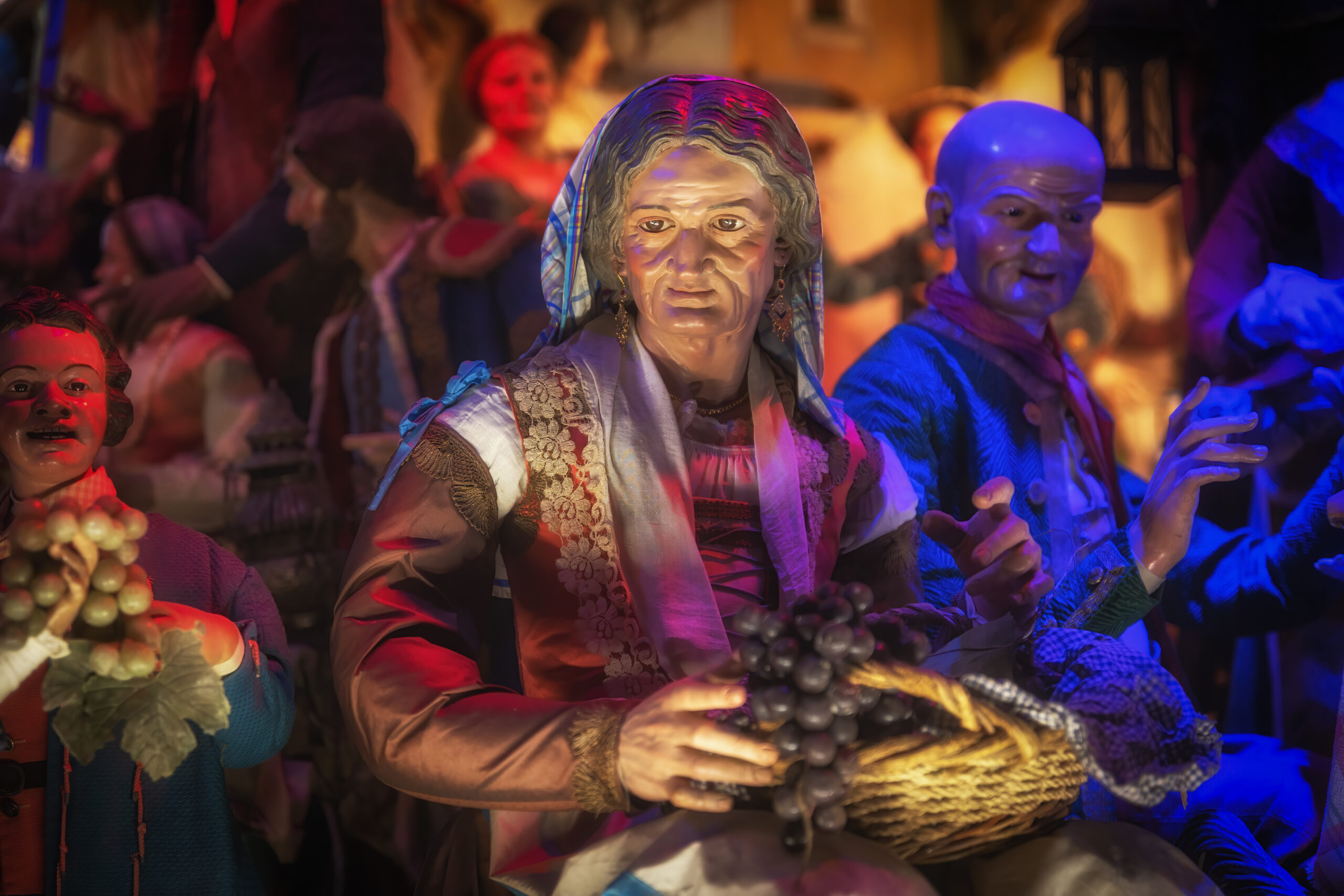
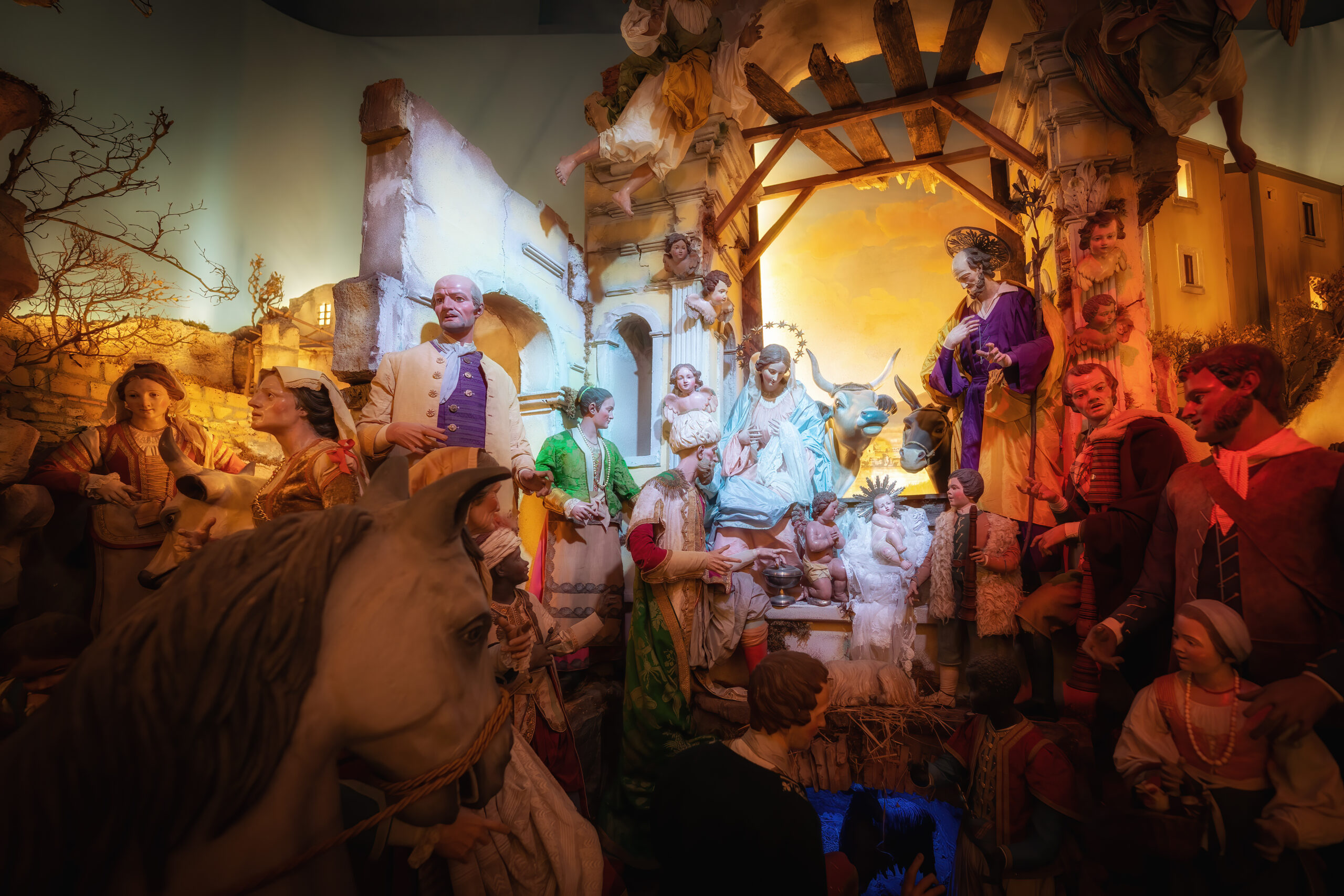
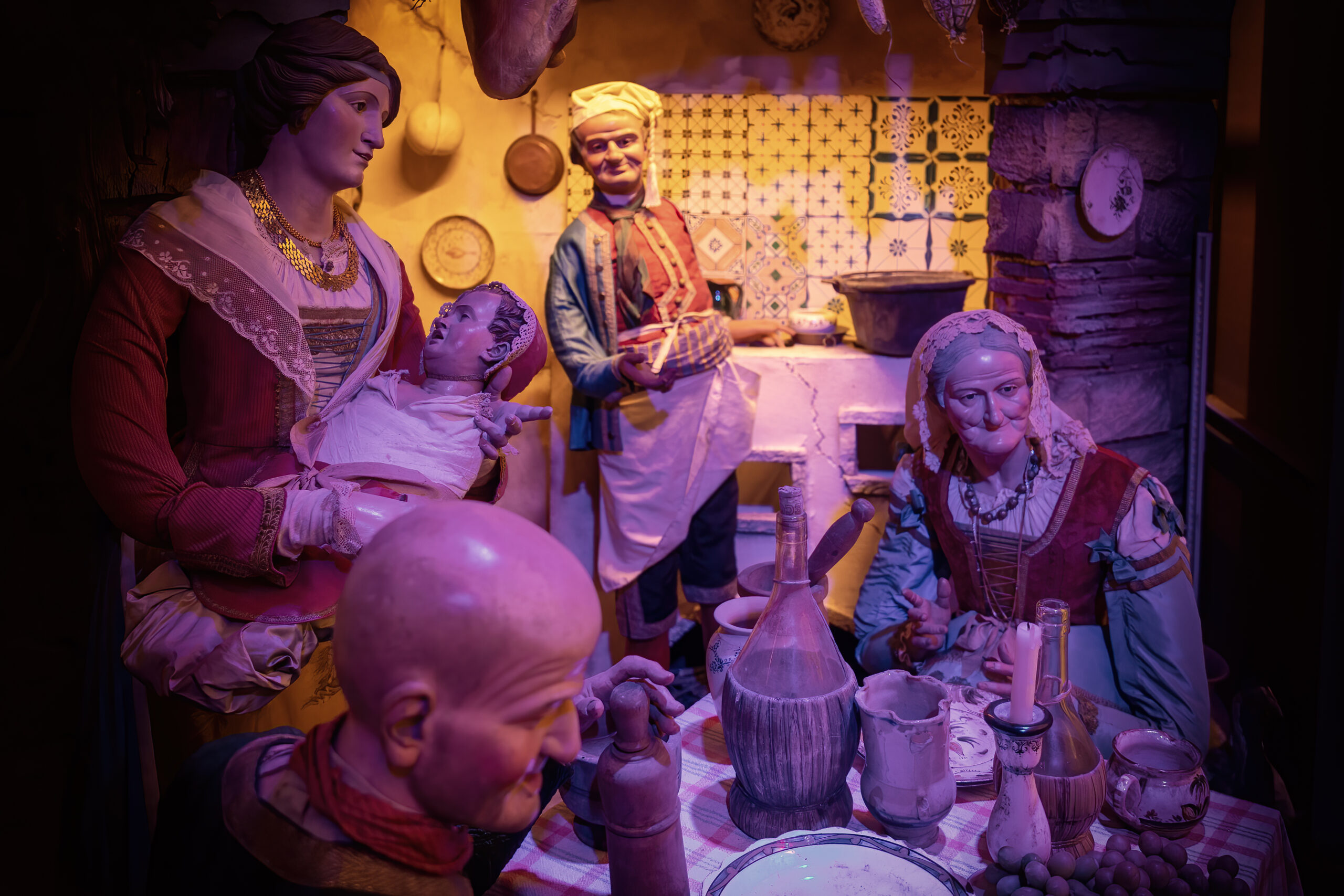
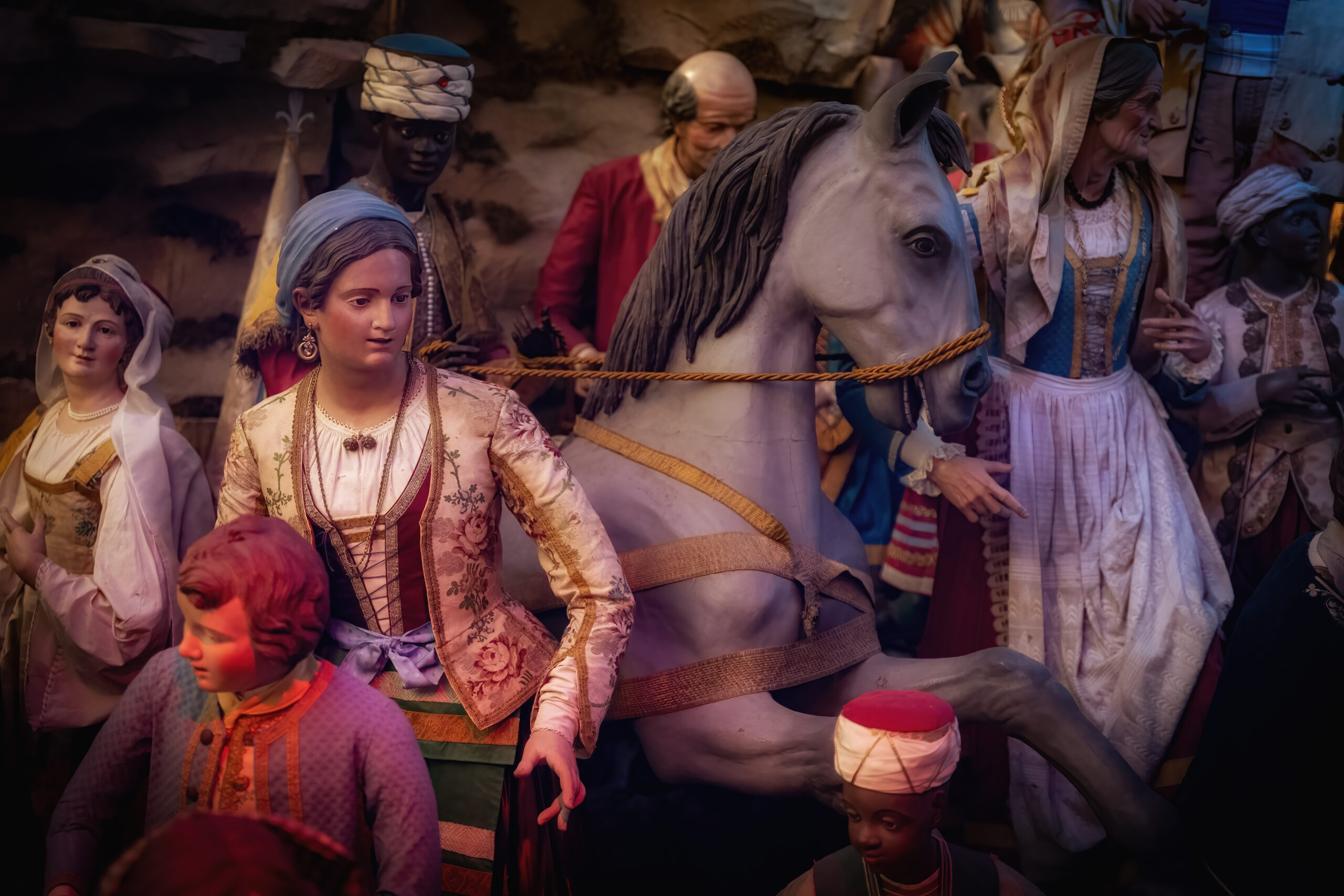
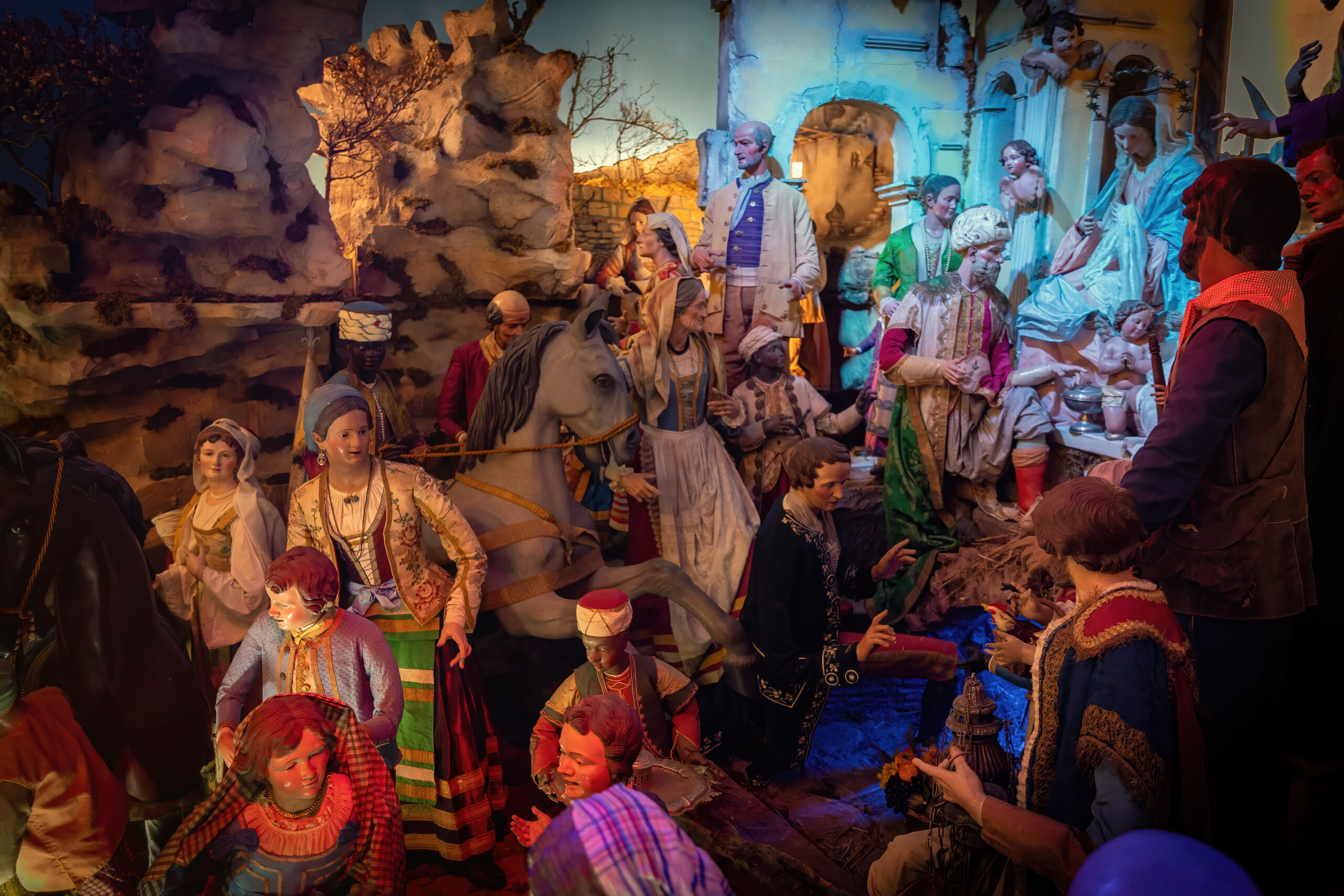
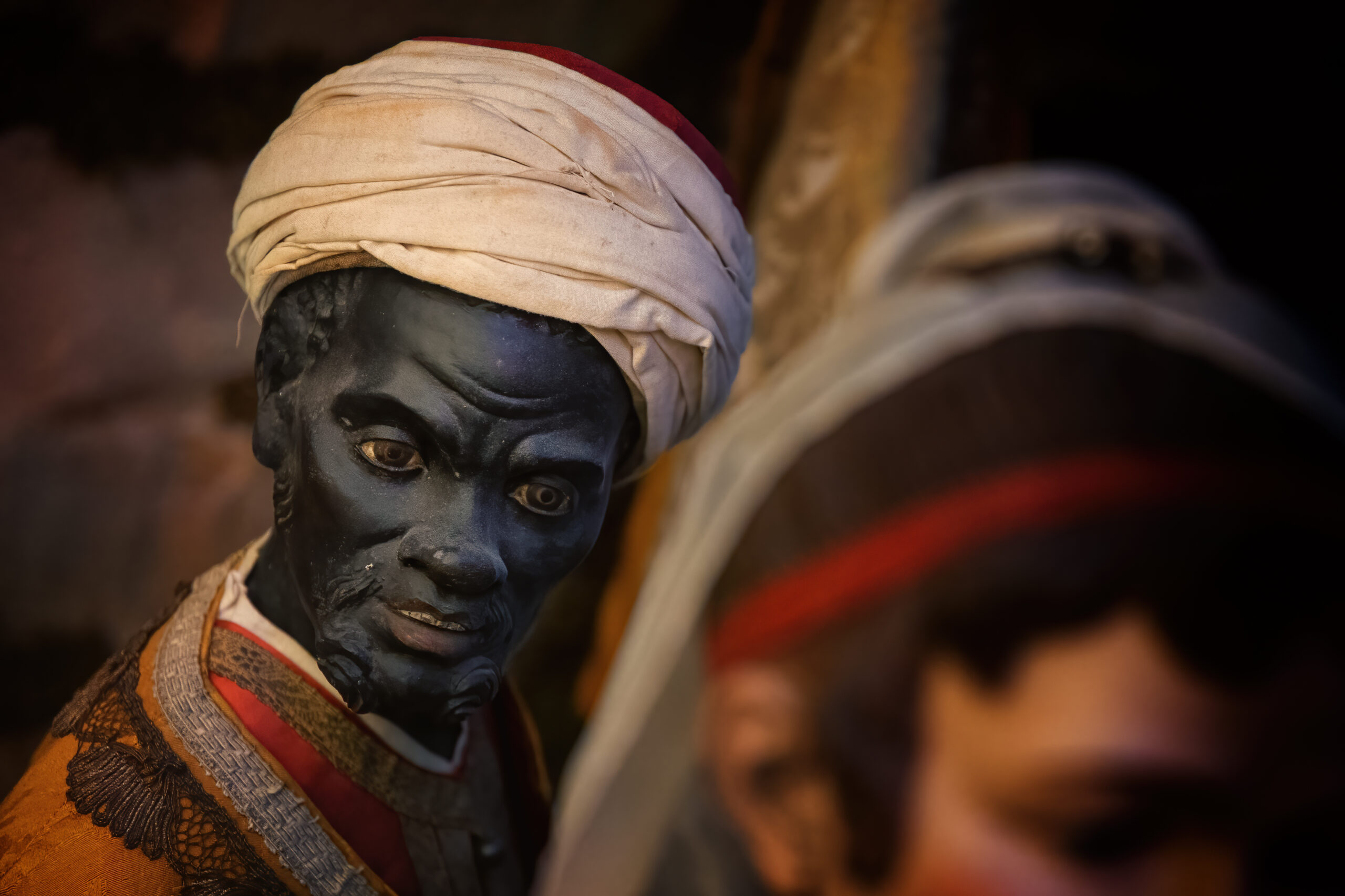
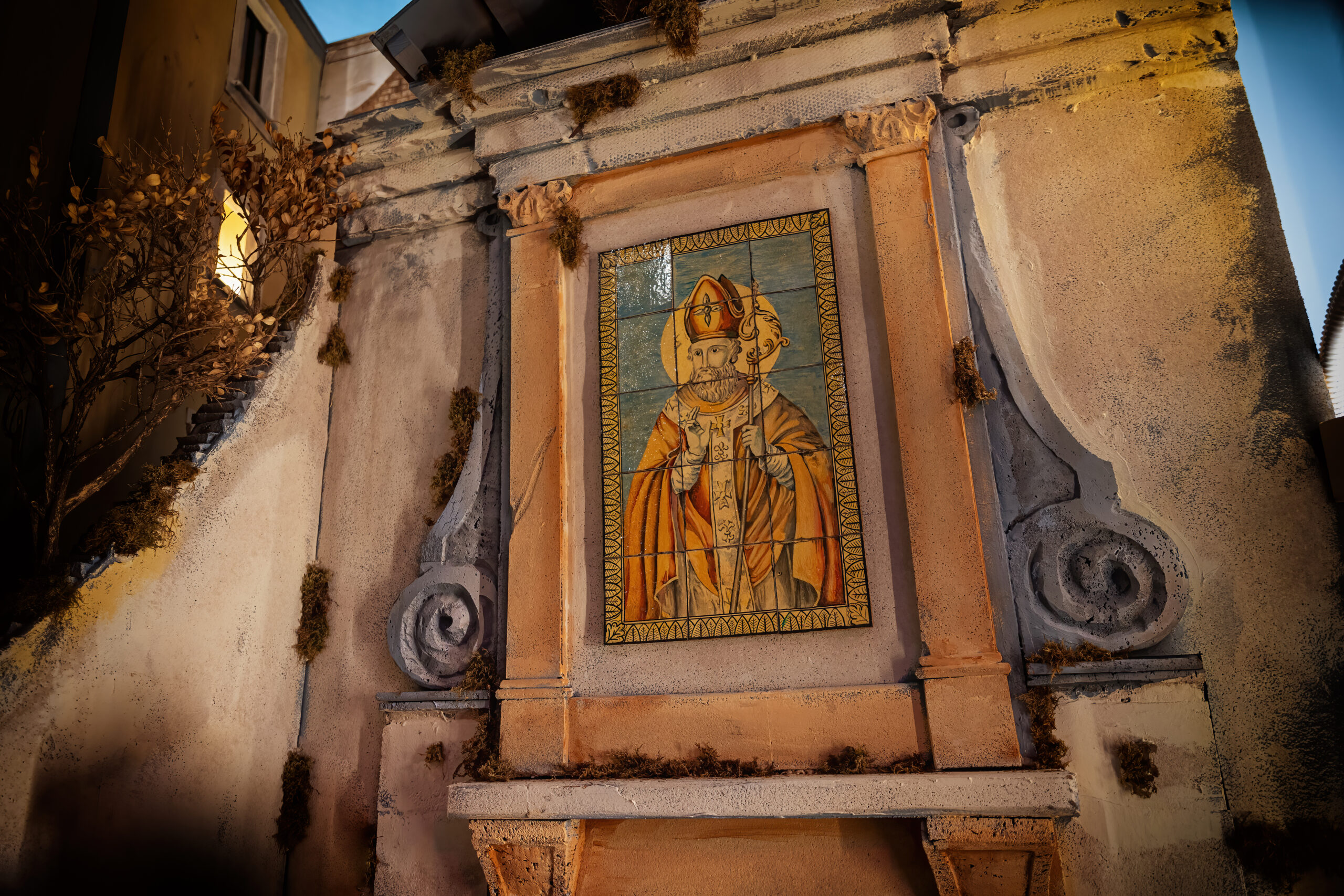
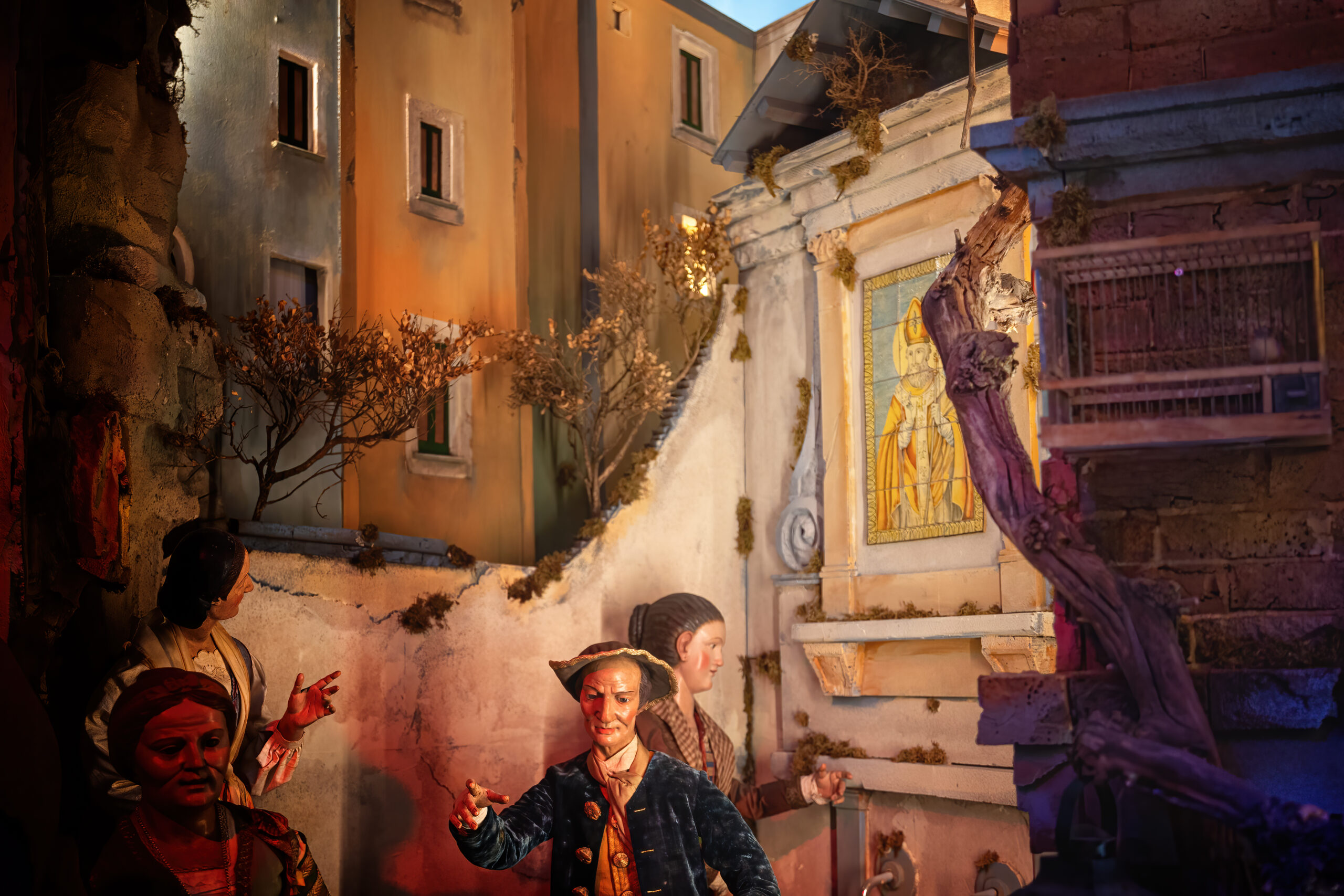
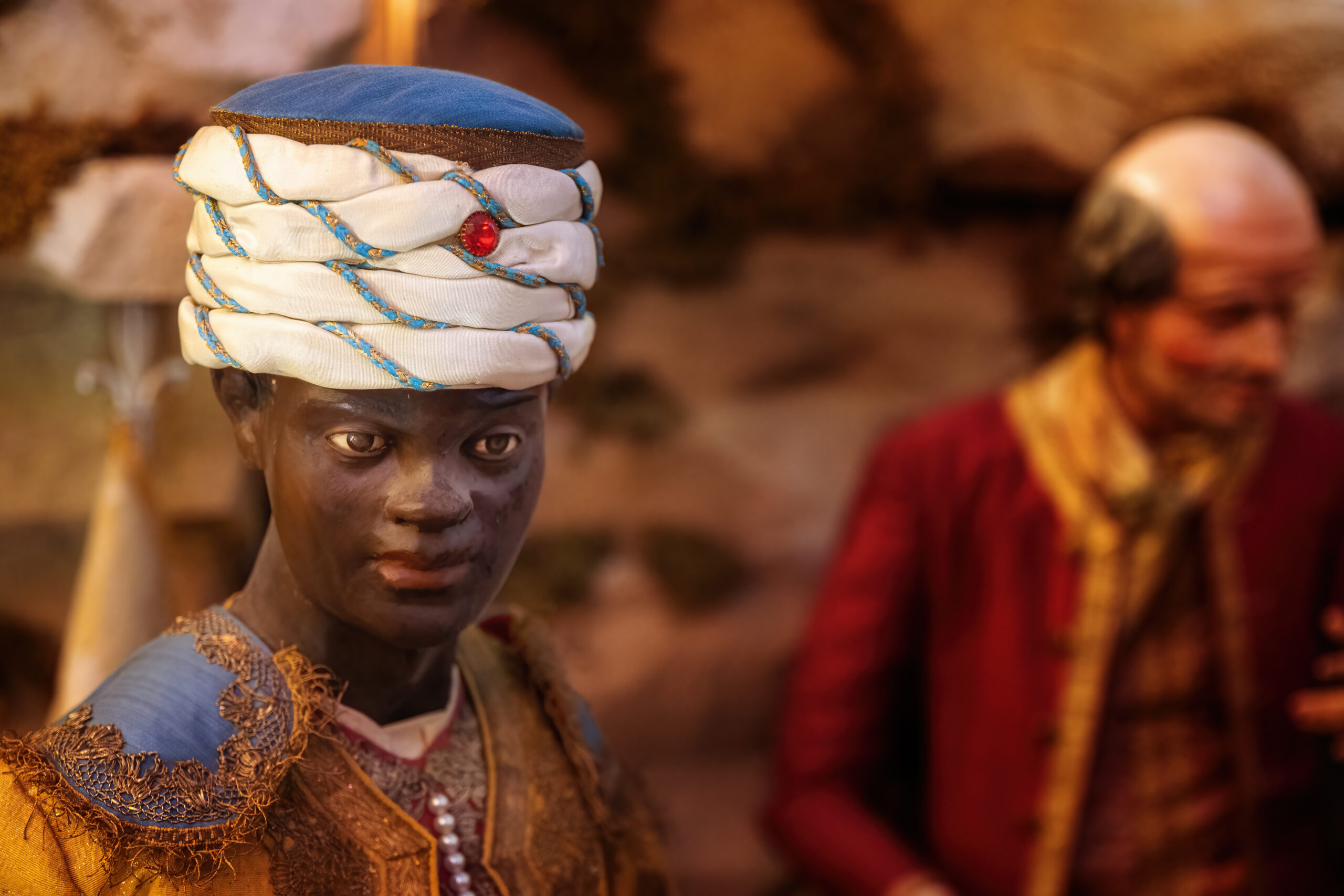
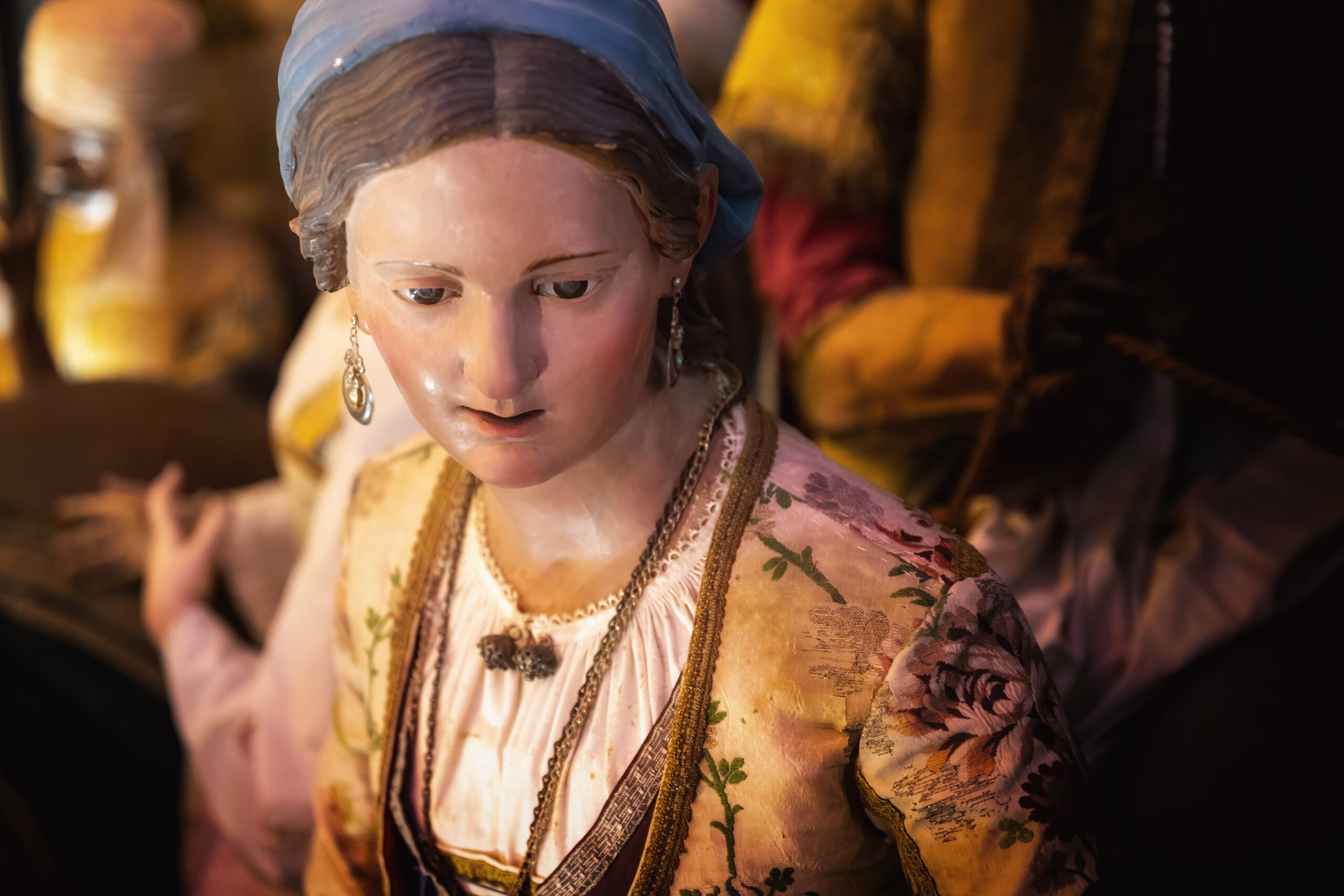
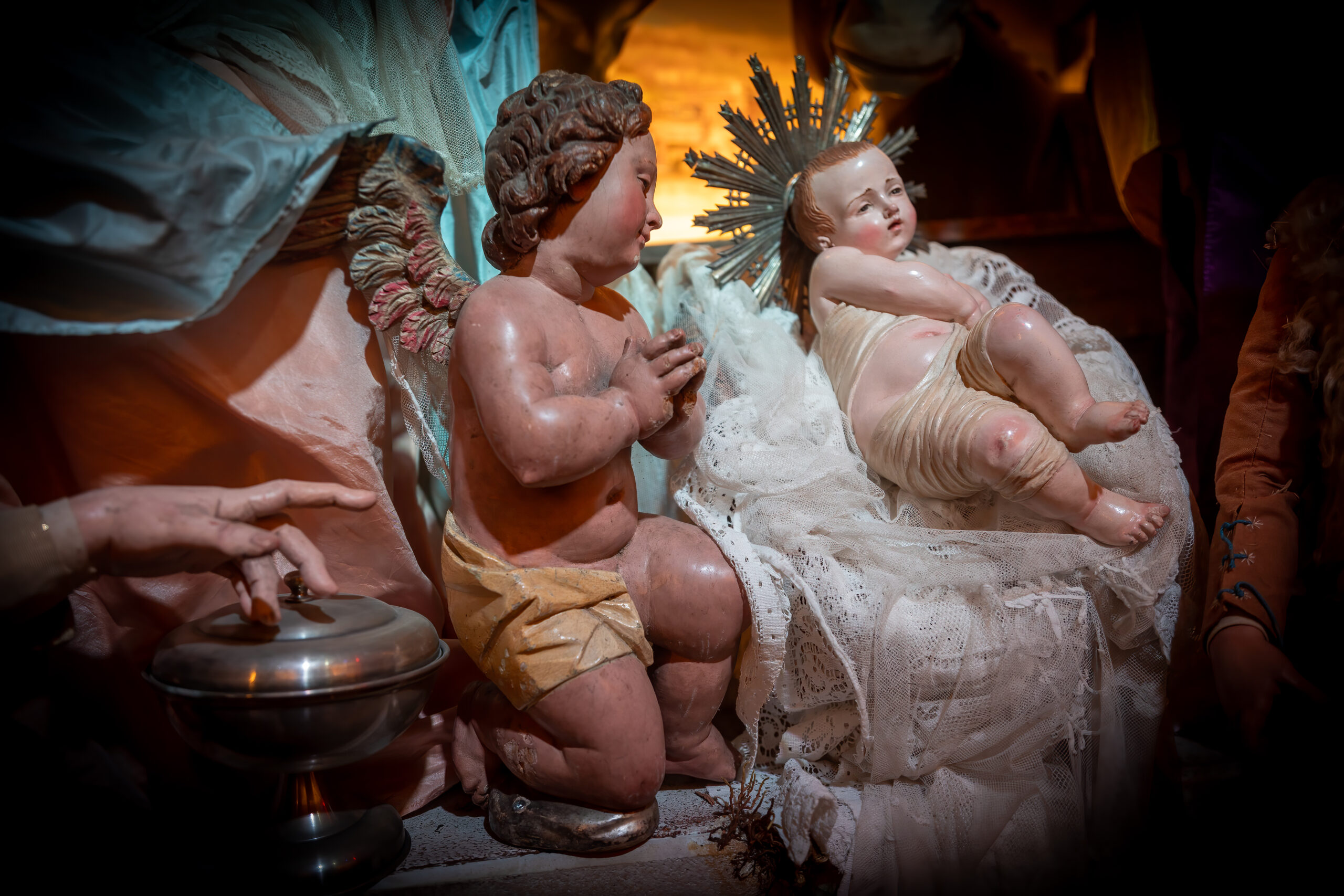
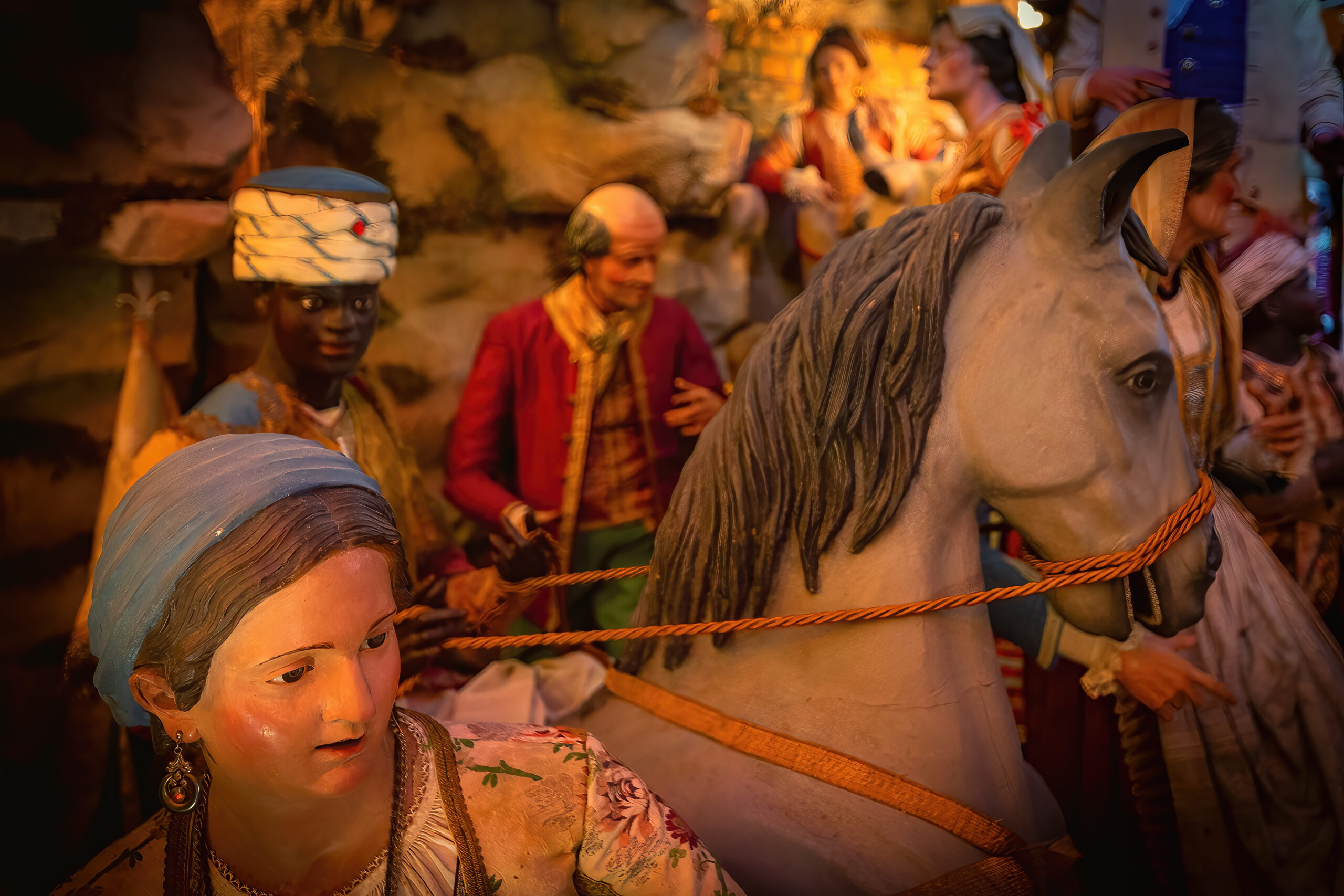
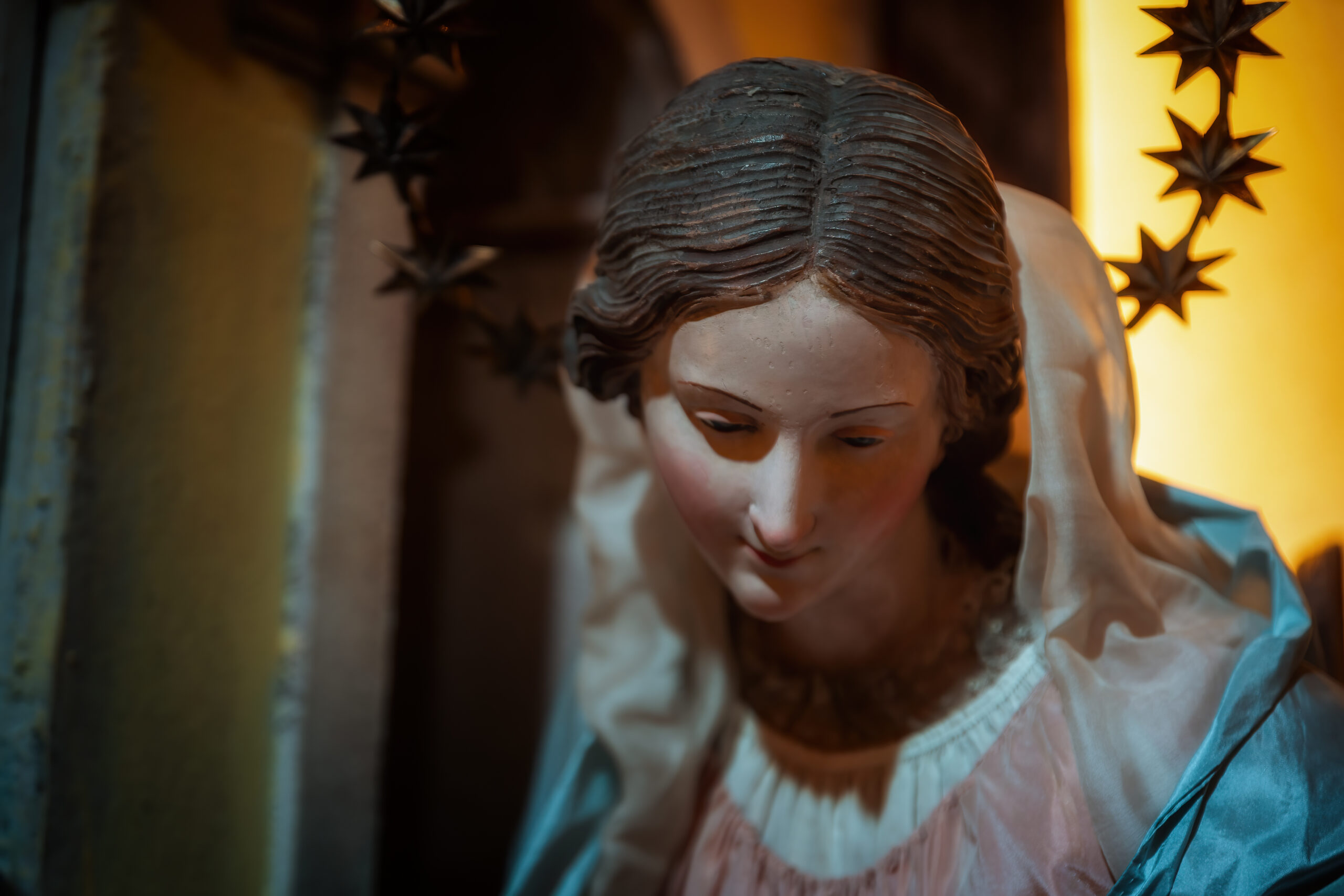
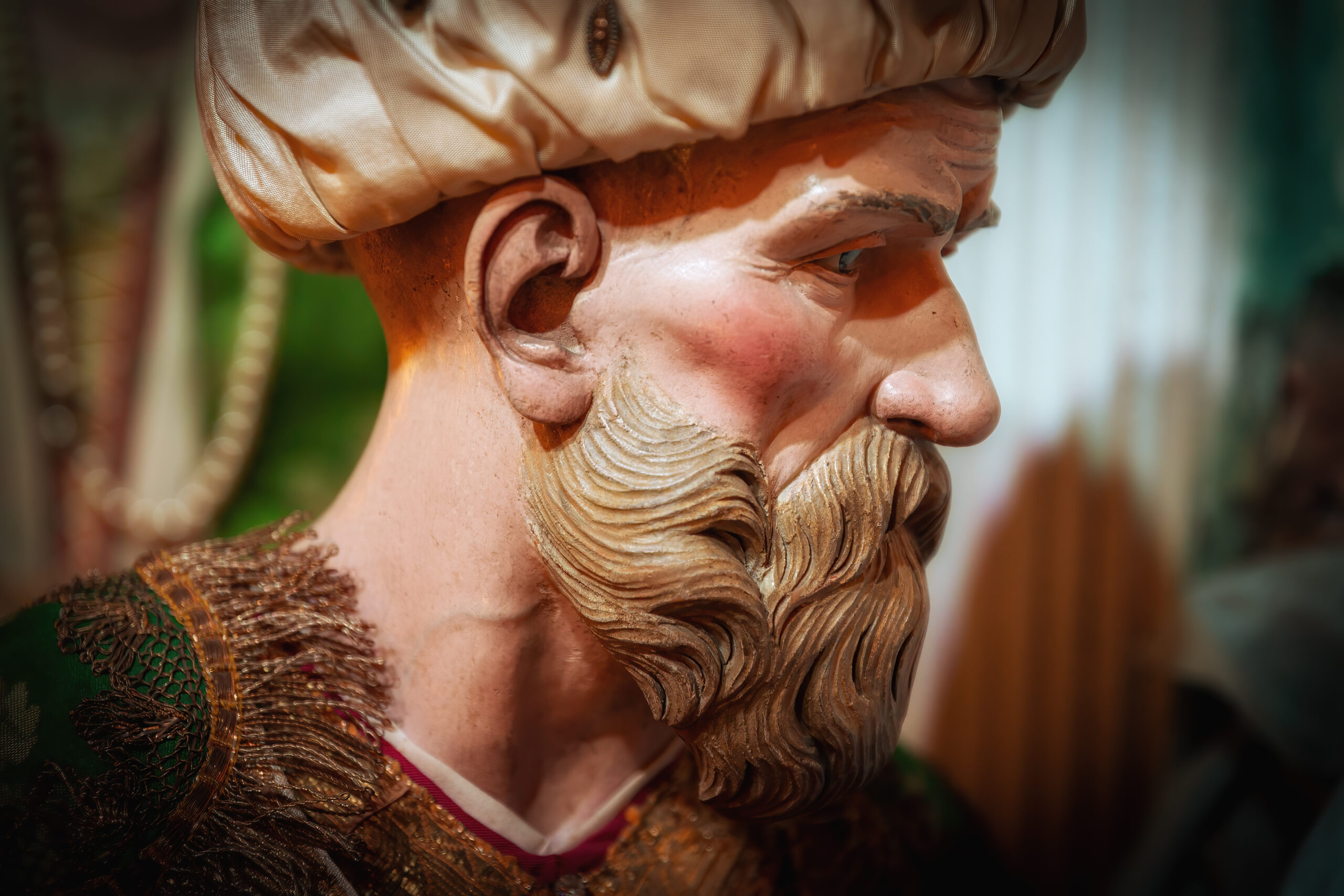
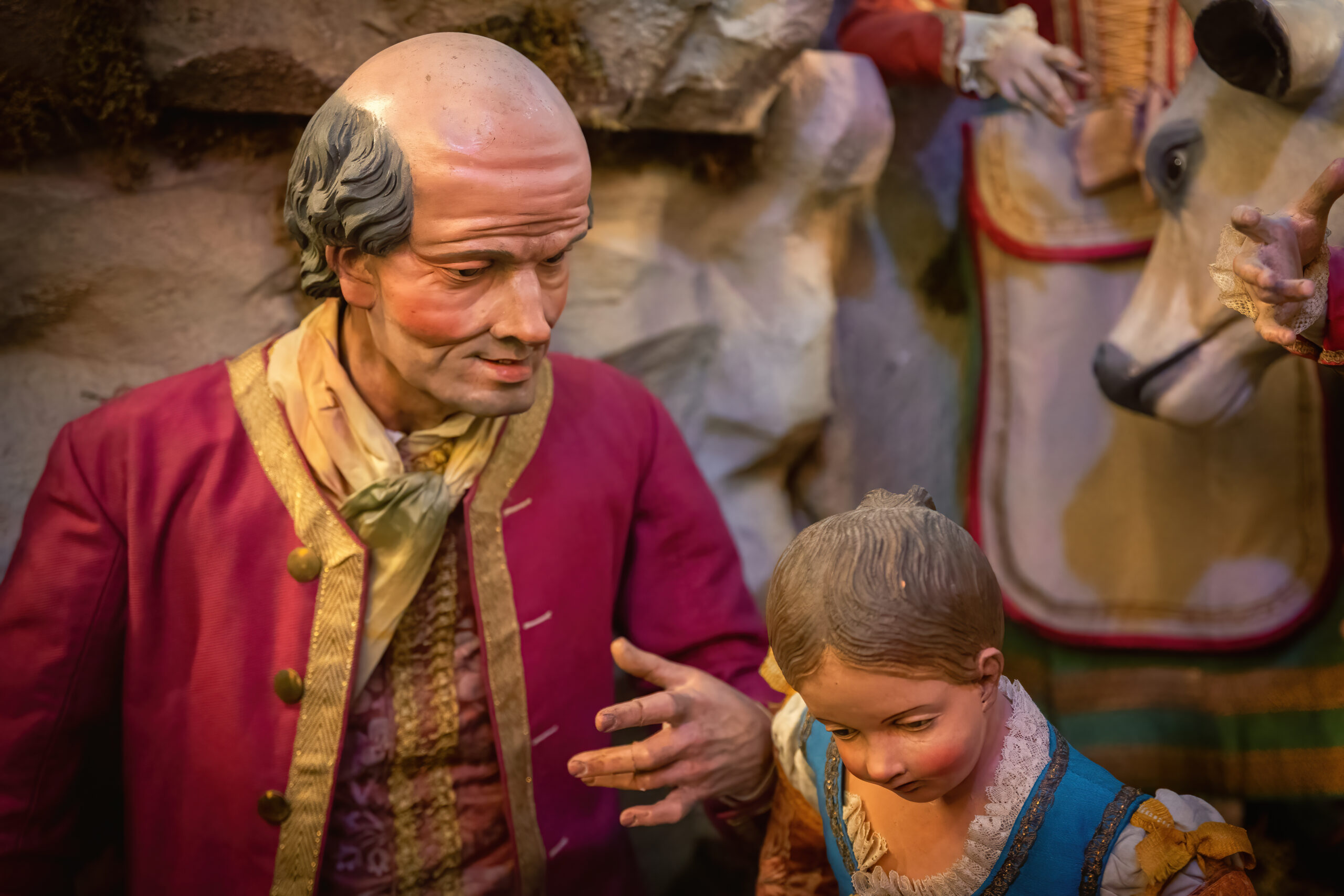
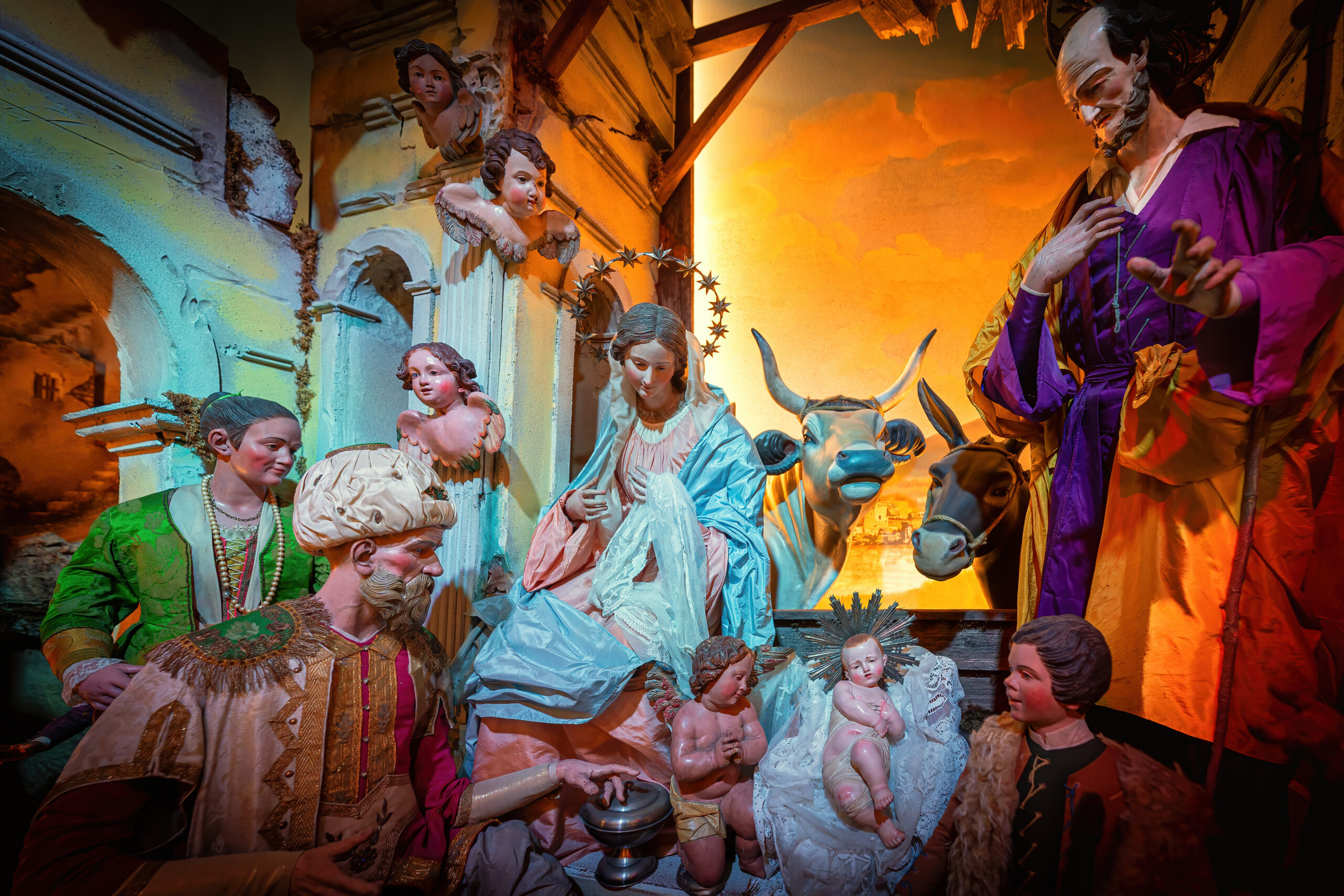
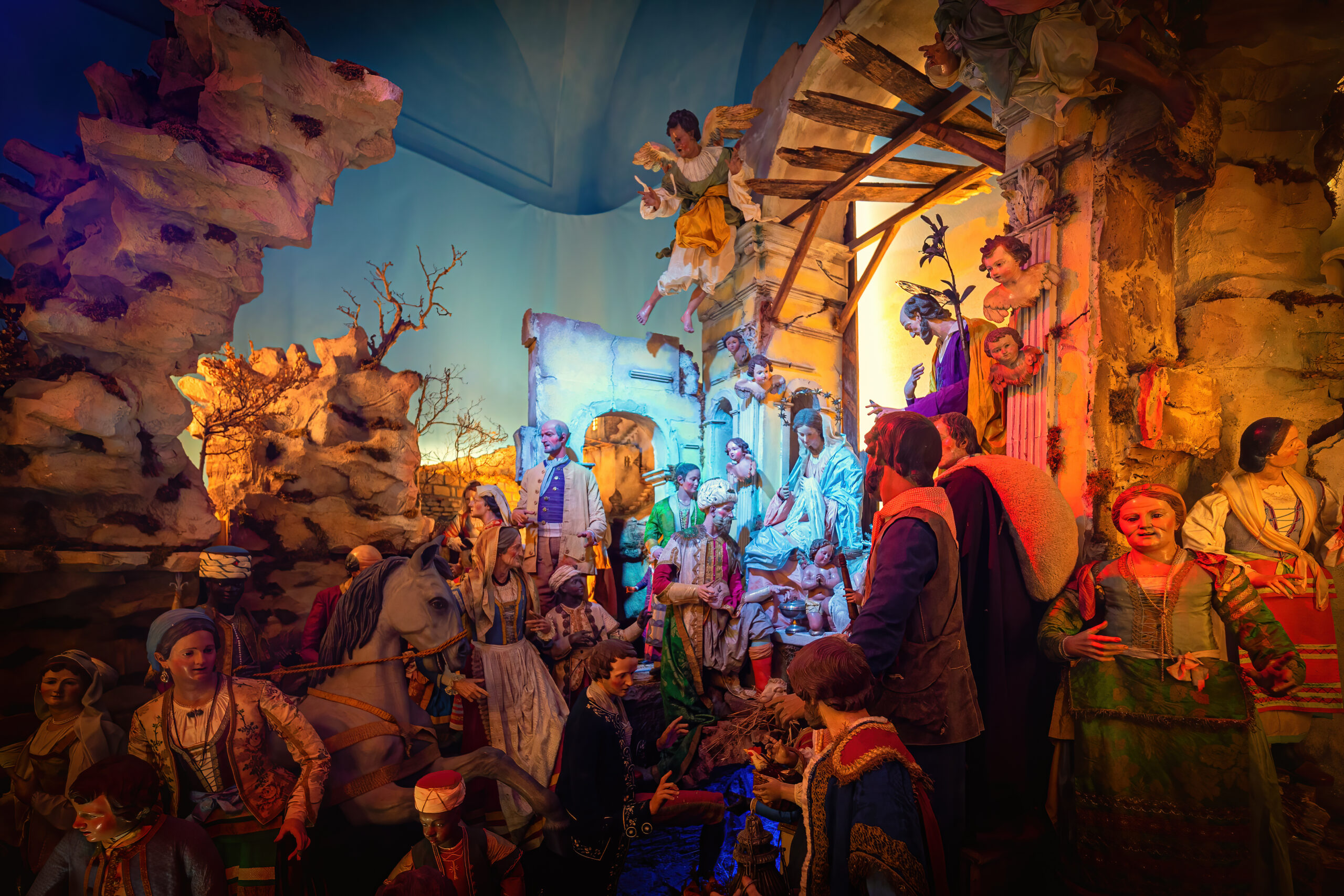
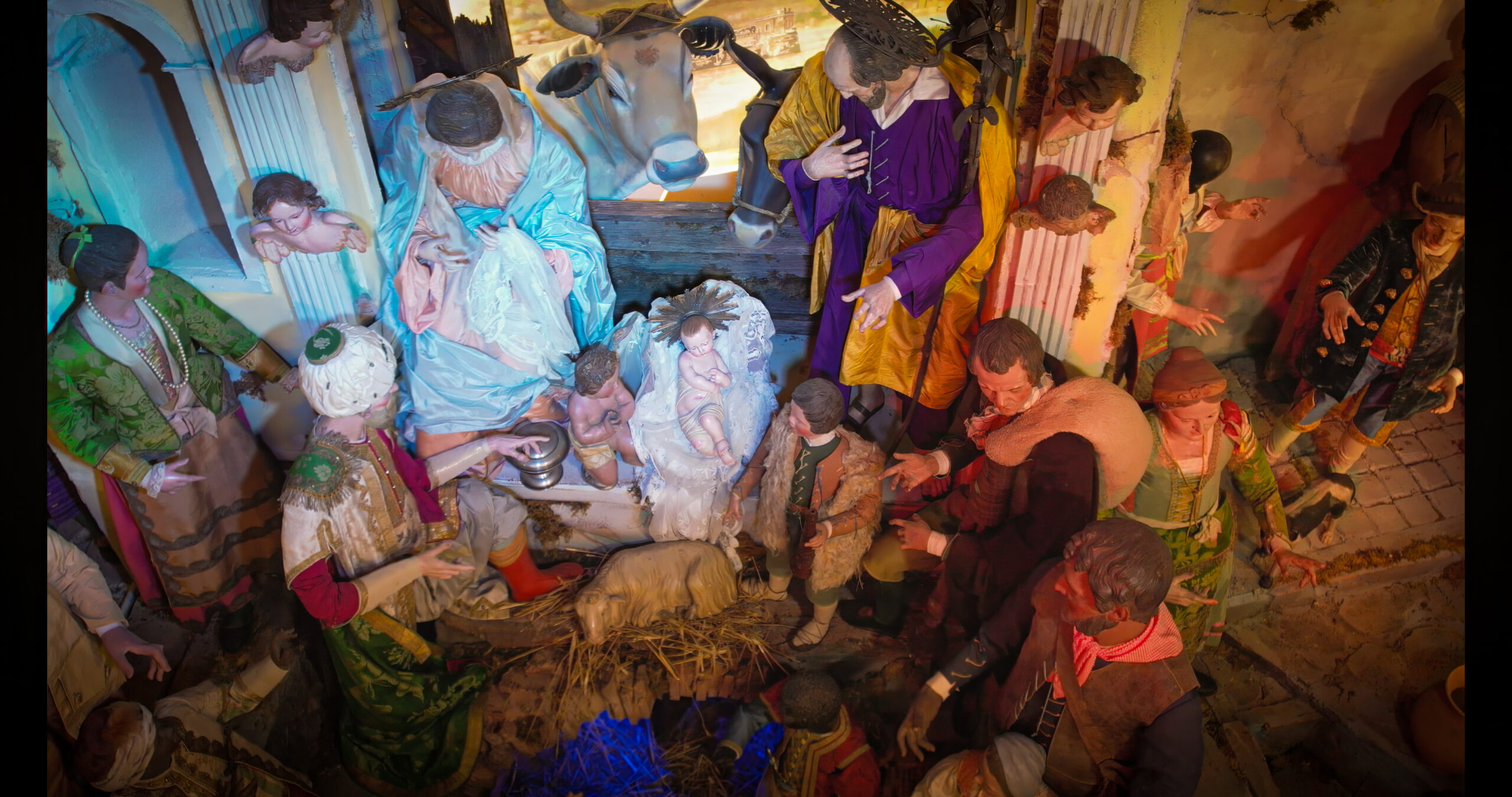
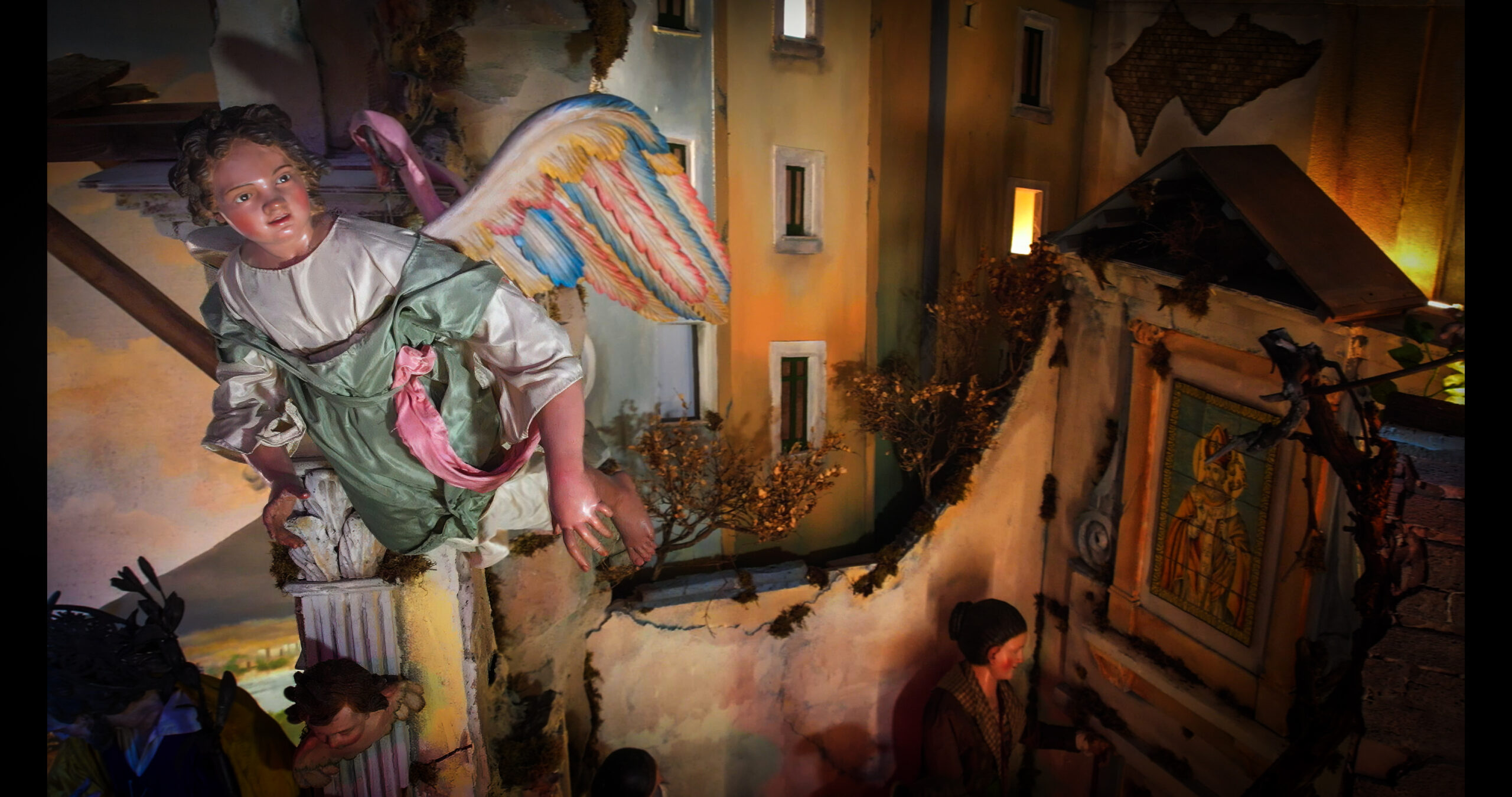
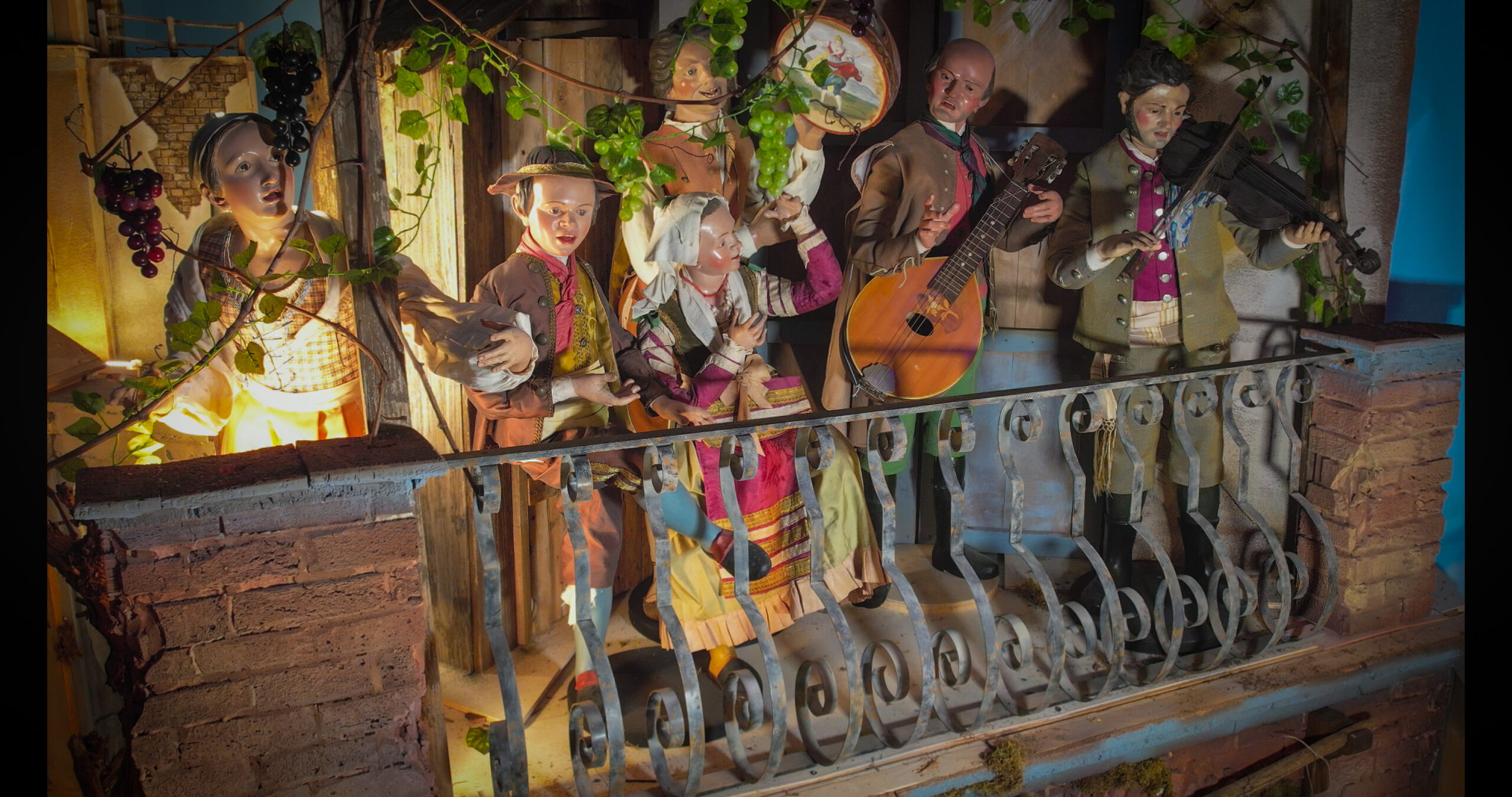
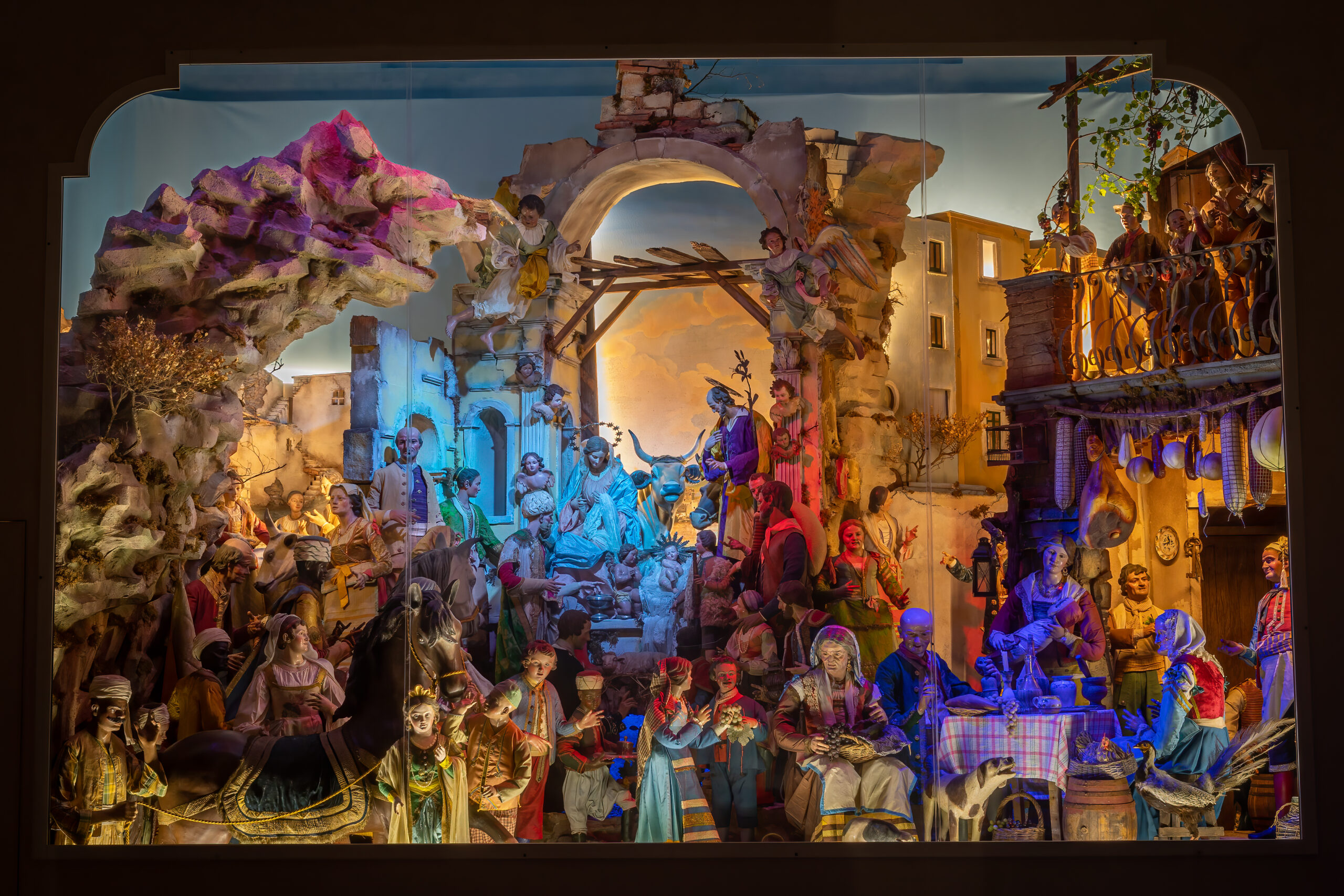
A unique nativity scene, a masterpiece of Neapolitan wood sculpture made up of figures created by artisan workshops in Naples and the surrounding area, dating from the late 18th to the early 20th century. The nativity scene of the Cathedral of Castellammare di Stabia, also known as the nativity scene of Mons. Francesco Saverio Petagna (1812-1878), consists of eighty-two surviving pieces (most with wooden heads): sixty-seven figures, three cherubs and twelve animals (including the two horses).
This nativity scene, of great value and undisputed artistic merit, has had a troubled and controversial history. Alternating, over almost two centuries, periods of glory and admiration with the darkest oblivion, it has come down to us thanks to the commendable work of passionate fellow citizens who cared for it with faith and love; among them Domenico Santoro, Antonio Greco, Franco Scarselli, Giovanni Irollo and Mario Vanacore, the living memory of the cathedral and silent guardian of the figures.
A story of alternating light and shadow, which binds the nativity scene inseparably to the city of Castellammare di Stabia, and its people to the nativity scene.
Few facts are certain and documented. Rare photographs and old postcards show that in the first half of the 20th century there were several grand displays, thanks to the efforts of Don Angelo Torre and Domenico Santoro. The huge sets filled an entire nave of the cathedral, which for several months became a real open workshop, also involving craftsmen from the Royal Shipyard and the Rope Works.
After their shifts, shipwrights and rope makers would go to the cathedral to work on the nativity scene as a loving act of faith, staging the approaching Nativity. Even today some elderly people remember spending hours as children with their fathers, who shaped and nailed wooden boards and cork… A long wait for the child, who often fell asleep from tiredness among the church pews.
These stories clearly show the strong devotion the nativity scene inspired, and still inspires, among the people; emblematic, in the post-war period, was the reorganisation of the collection, to which many contributed: enthusiasts, craftsmen, nuns and ordinary citizens.
In the decade spanning the 1950s and 1960s, the fame gained through the 1962 exhibitions, first at the Antoniano in Bologna and then at the Angelicum in Milan, could have been the great opportunity to create a permanent nativity scene, but evidently it was not seized.
Years later, the earthquake of November 1980, with its devastating impact on the area, left the people of Stabia facing emergency and need. From then on came years of oblivion: undisturbed woodworm and careless human hands reduced the nativity scene to a “desolate graveyard of figures”.
Then came the rebirth: out of love, passion and devotion, the local entrepreneur Giovanni Irollo, who wanted his grandchildren to experience the magic of the nativity scene he had admired as a child, and encouraged by the parish priest of the time, Don Ciro Esposito, decided to return it to the city in all its splendour.
In 2000 a long and delicate work of research and restoration began, entrusted to the Carlo Iacoletti firm of Naples under the supervision of the Superintendence for Artistic and Historical Heritage of Naples and its province, led by the historian Ida Maietta. Finally, for Christmas 2004, the people of Stabia could admire the “rediscovered” nativity scene. But just when everything seemed to be going in the right direction, the creation of the permanent nativity scene came to an unexpected halt.
*Founder and president of the Associazione Stabiese dell’Arte e del Presepe